
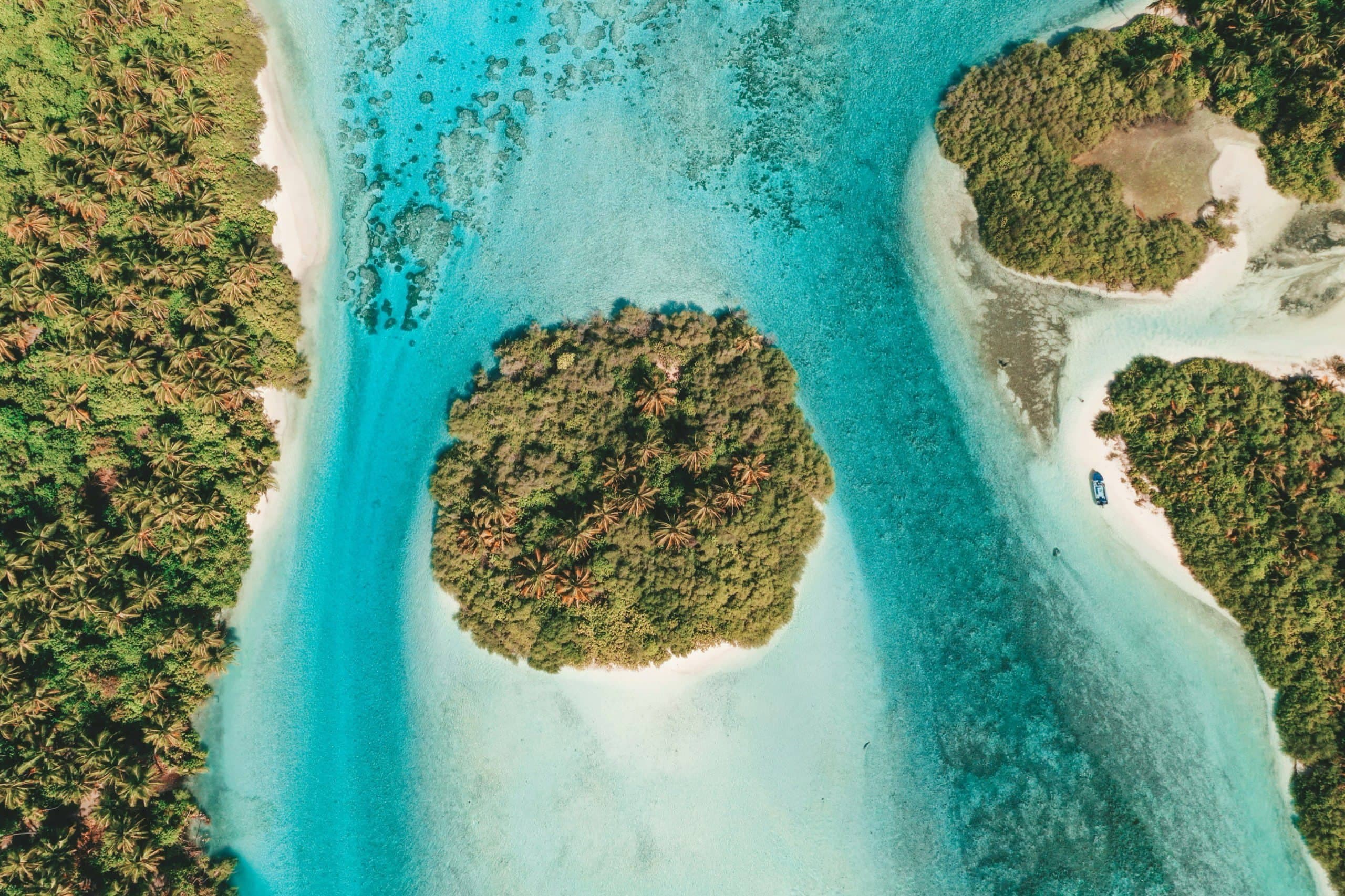
MALDIVES: THE HEART OF THE INDIAN OCEAN
Crystal-clear waters, ancient traditions, and the purest island spirit.
Discover the Maldives: A Paradise Like No Other
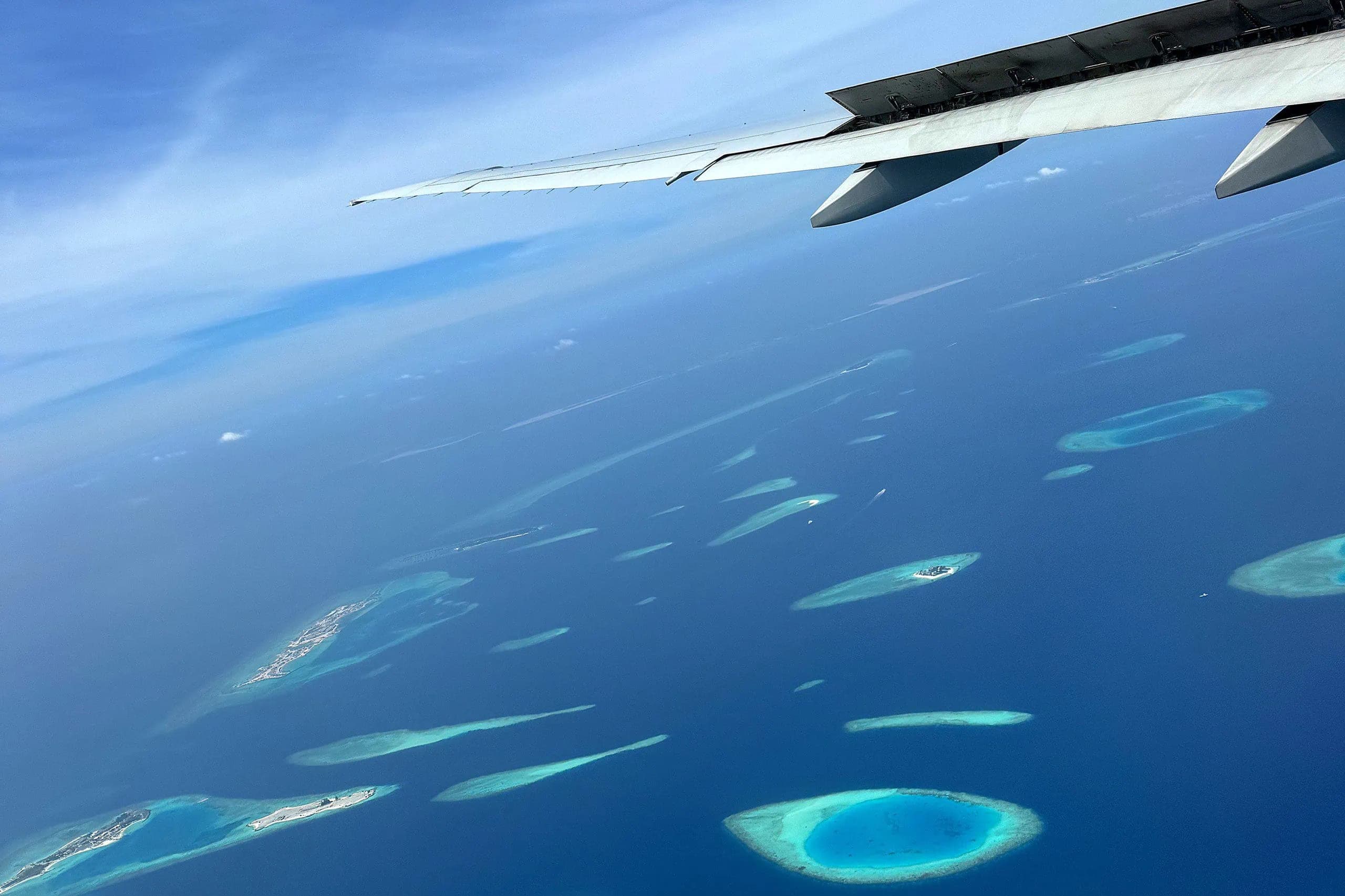
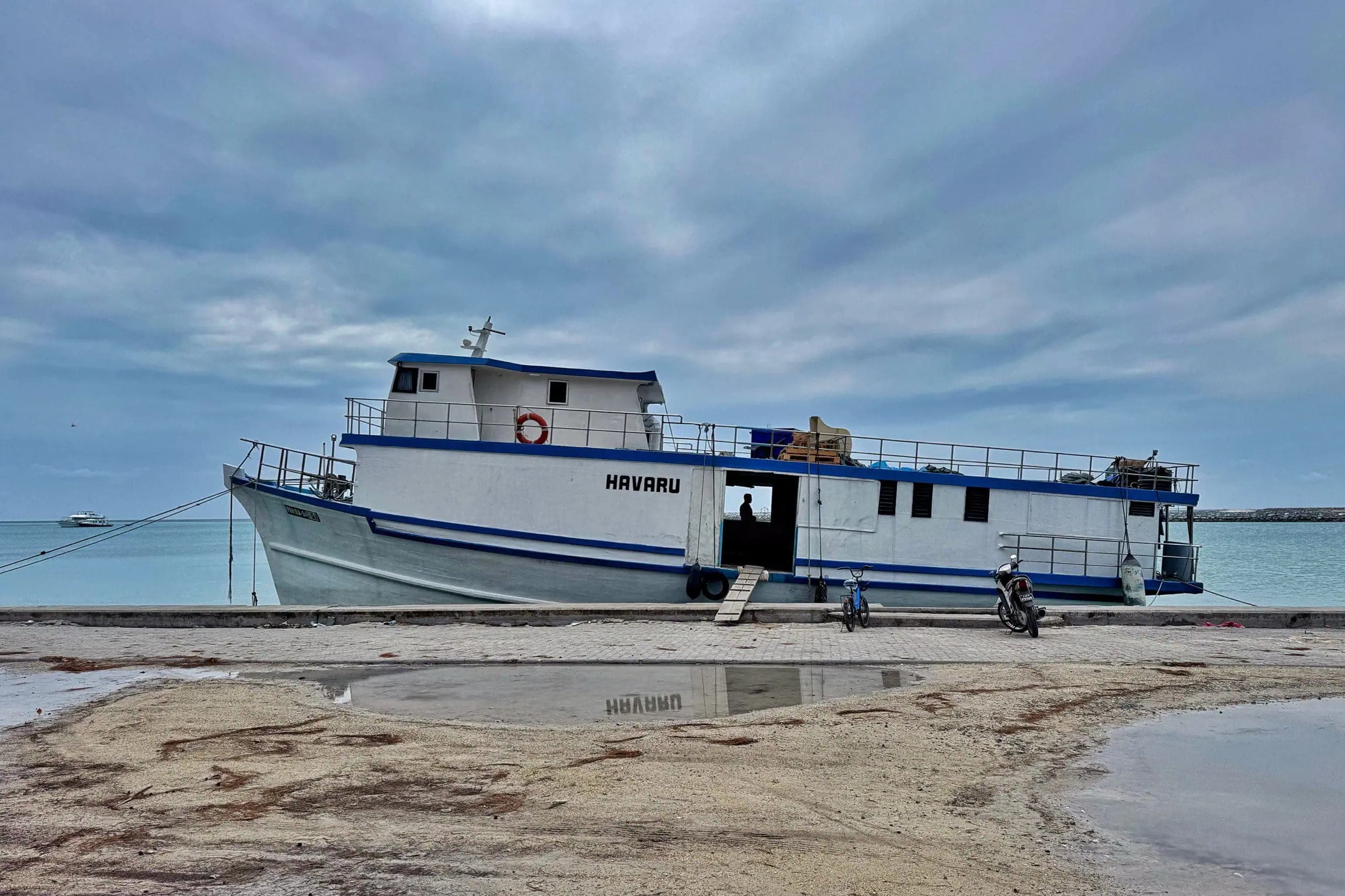
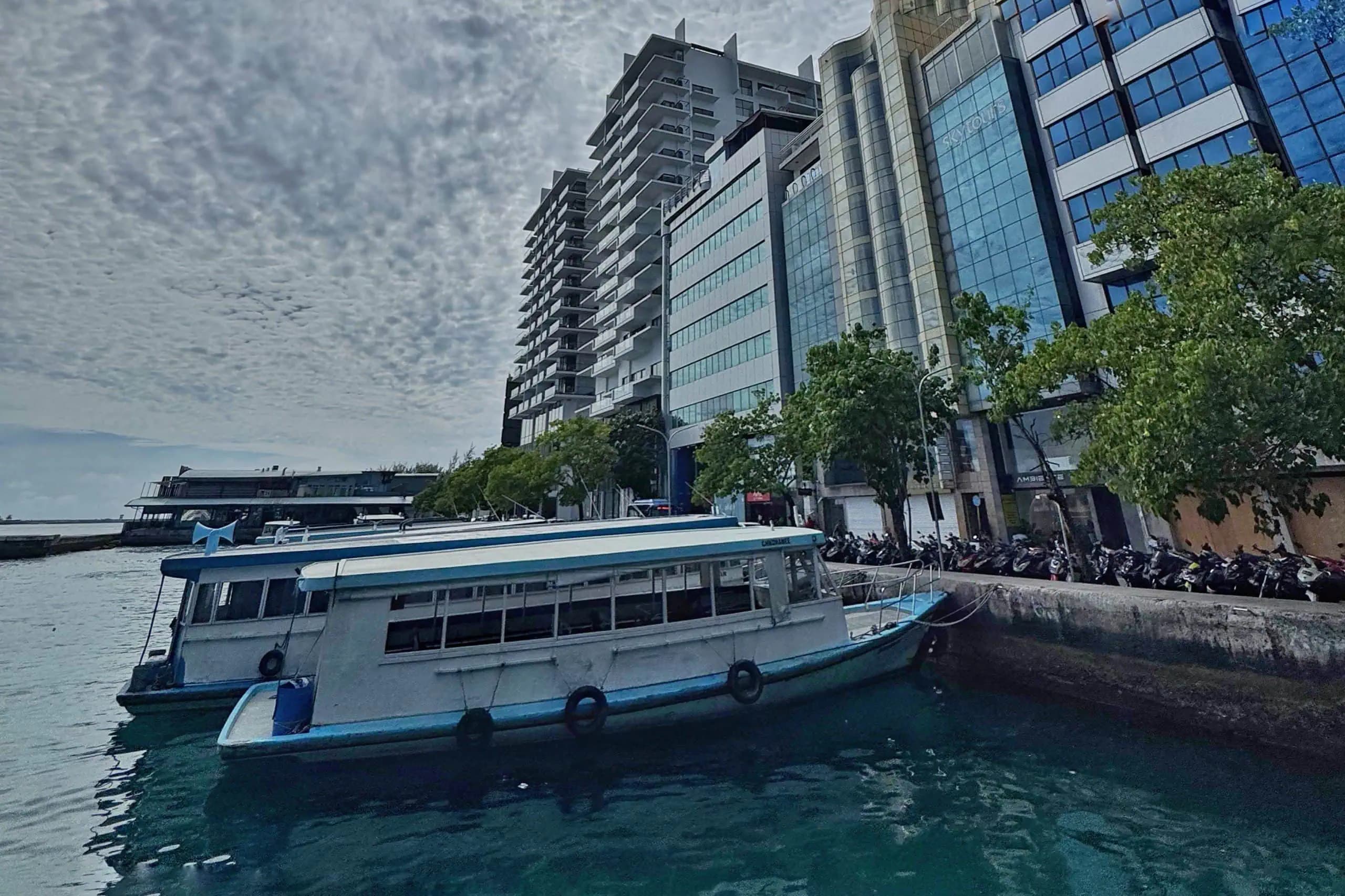
Set in the heart of the Indian Ocean, the Maldives is a breathtaking archipelago of over 1,000 coral islands spread across 26 atolls, each one a jewel of natural beauty. Once a key stop along ancient maritime trade routes, these islands boast a rich history and a vibrant cultural heritage that continues to thrive today.
THE PEOPLE
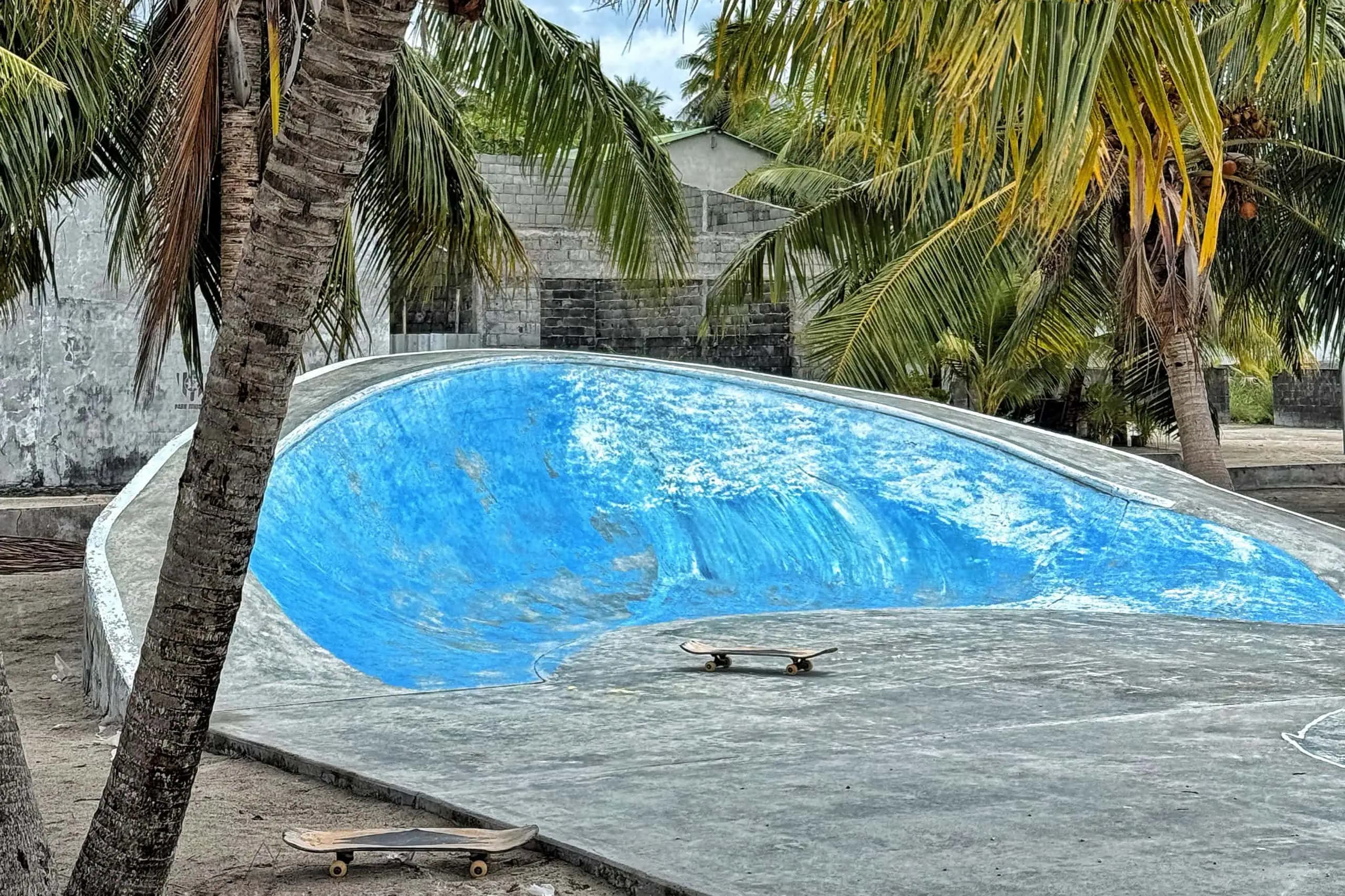
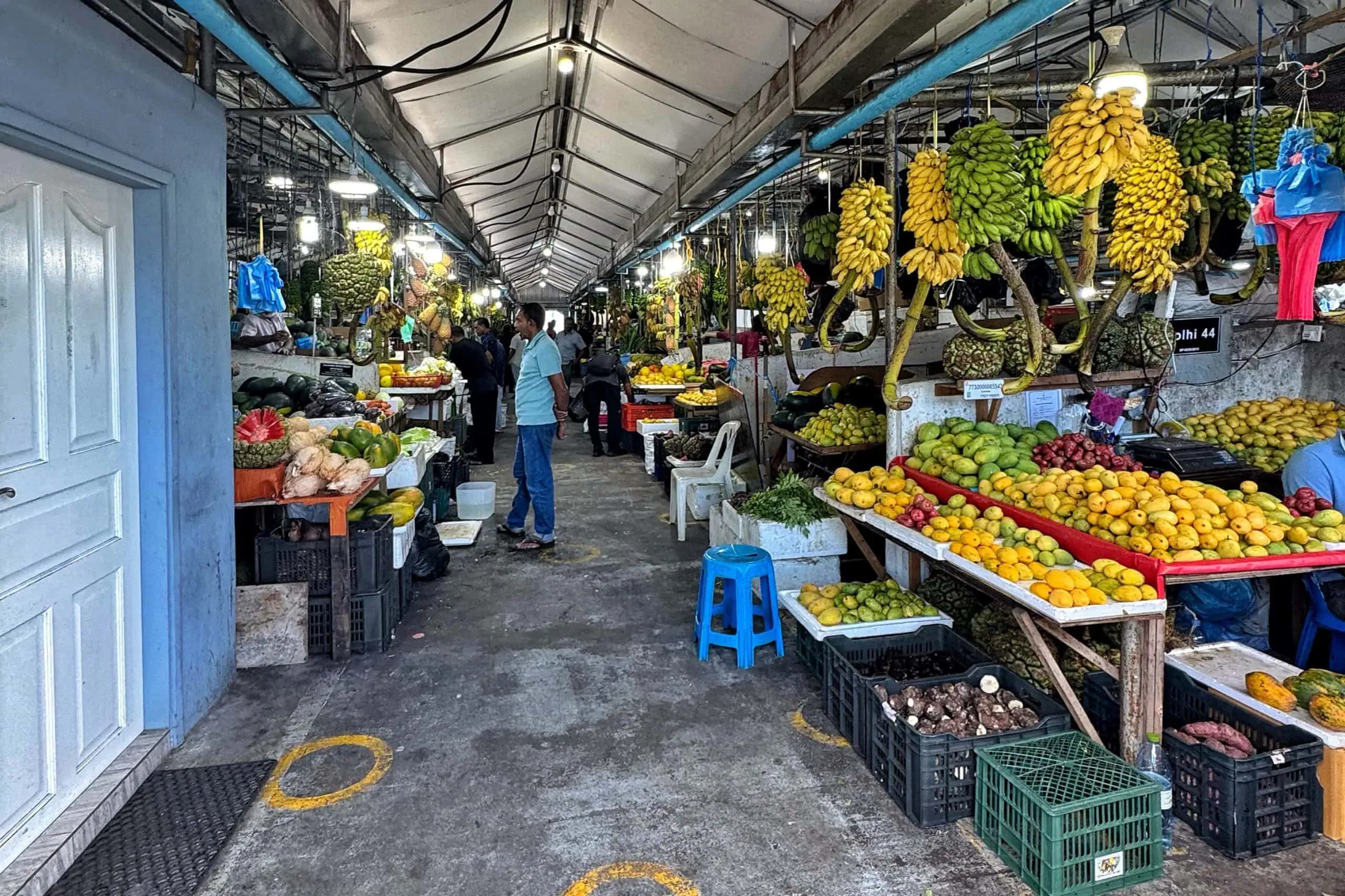
From the moment you arrive, you'll be greeted by the warm smiles and genuine hospitality of the Maldivian people. Whether you're strolling through lively local markets or sinking your toes into powder-soft sand, the welcoming spirit of the islands is unmistakable.
THE OCEAN
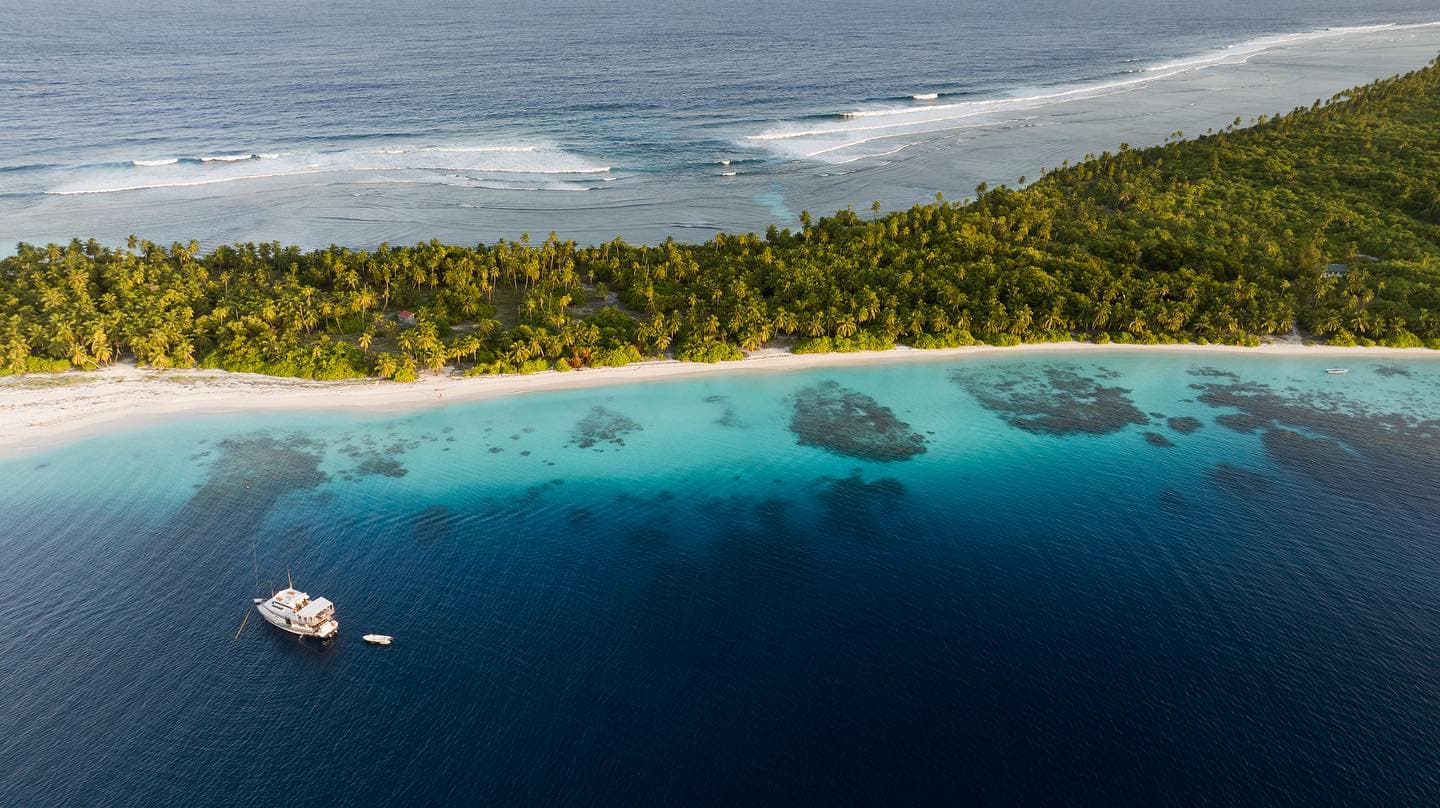
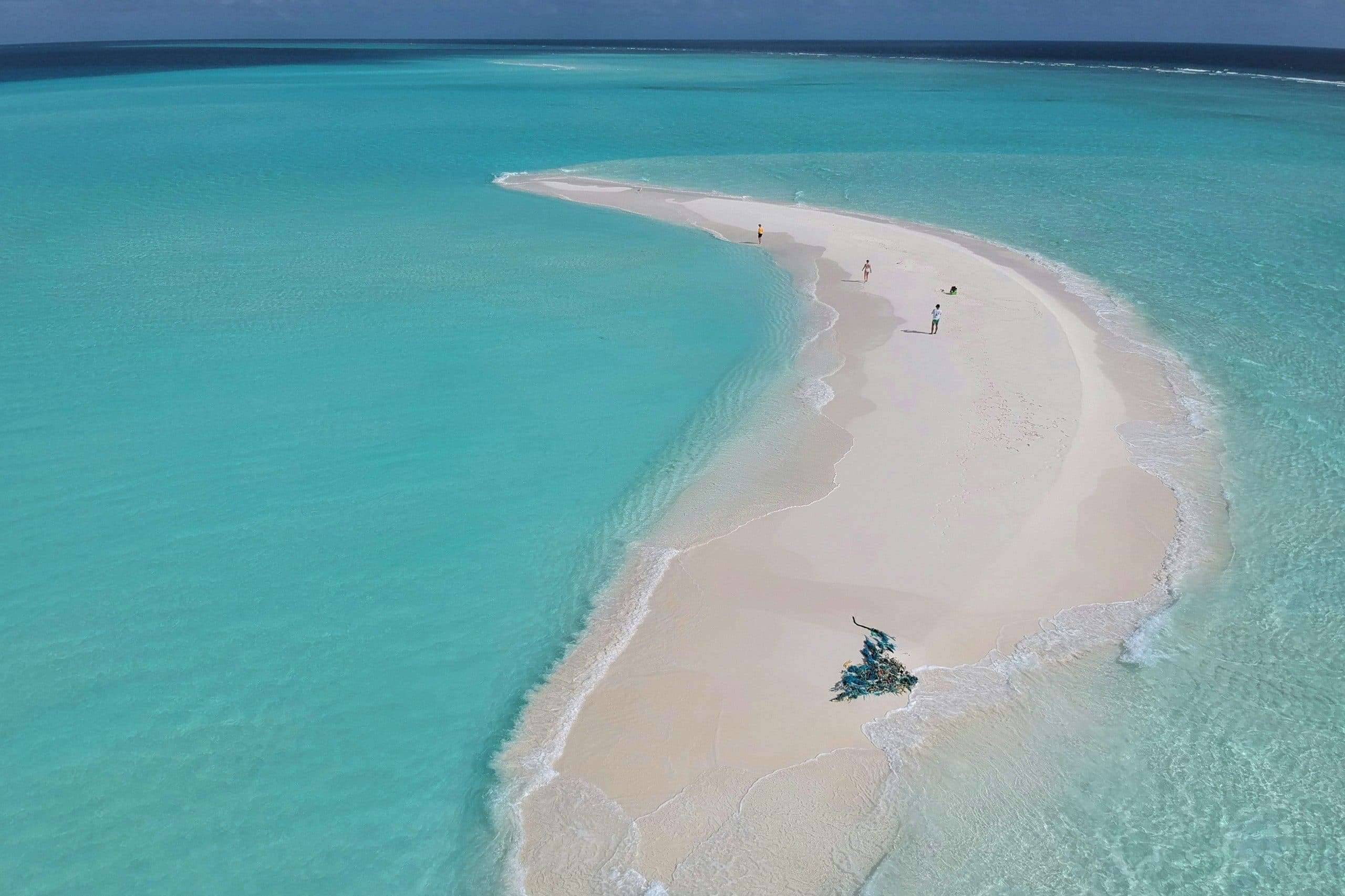
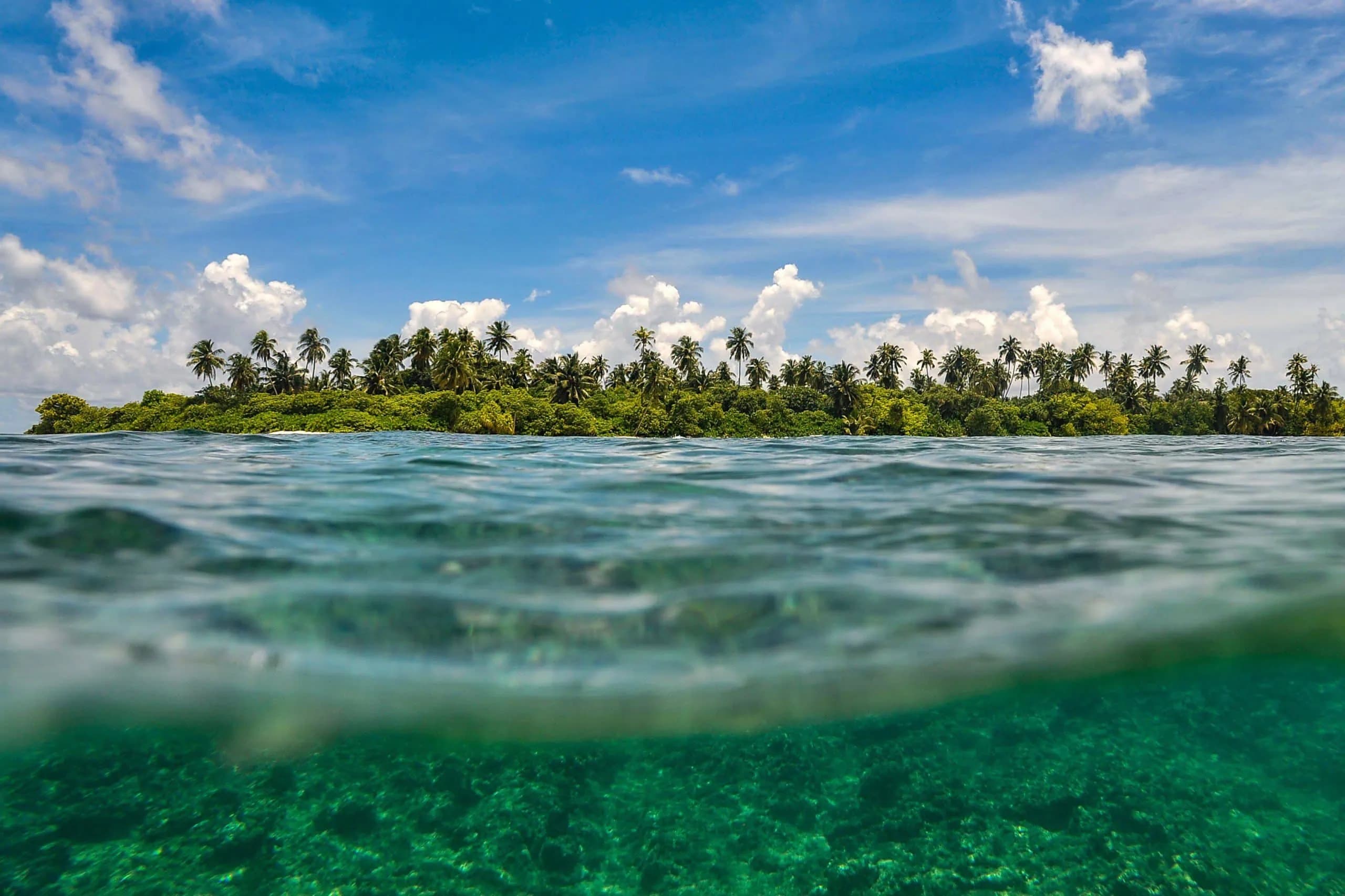
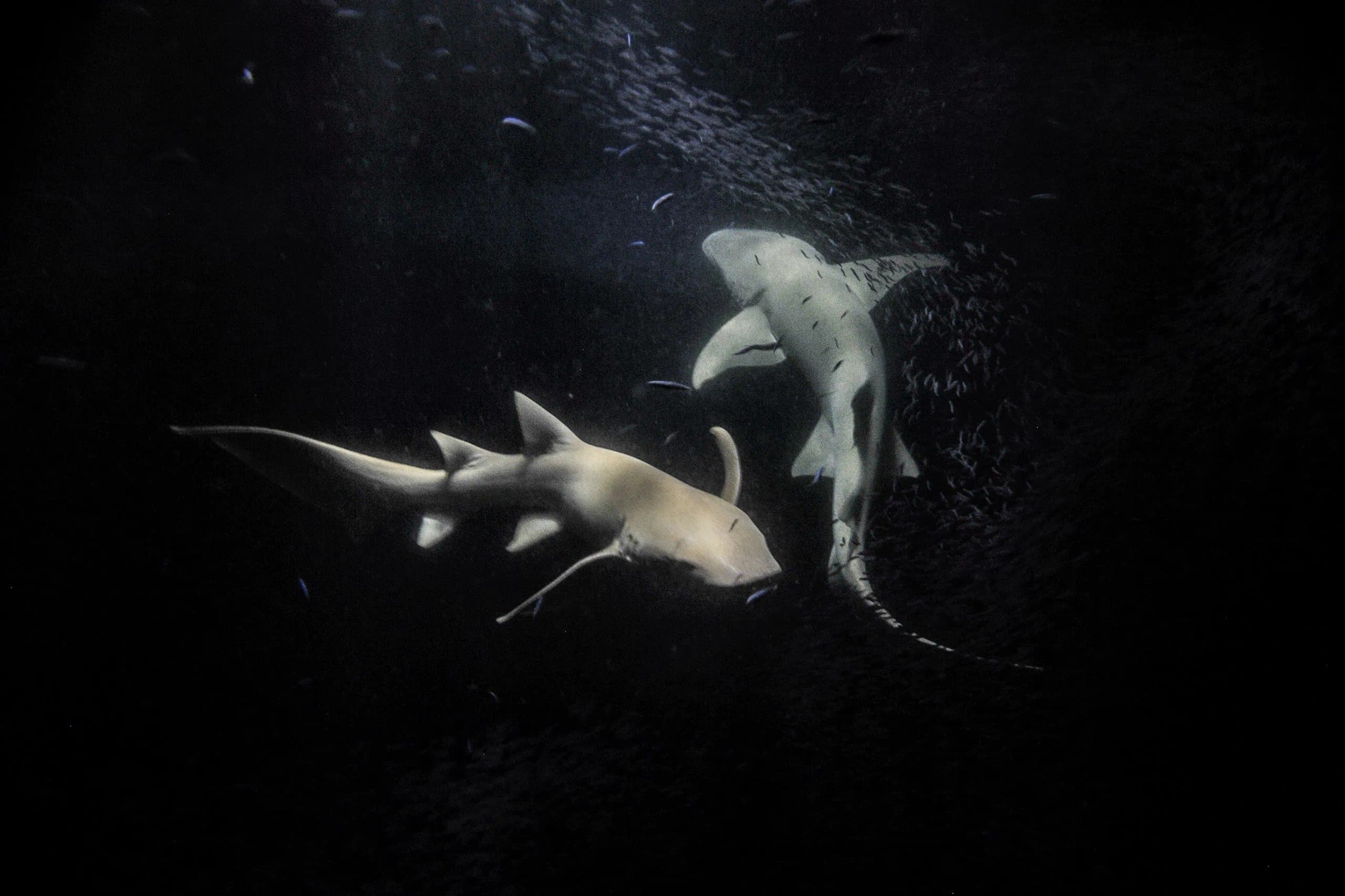
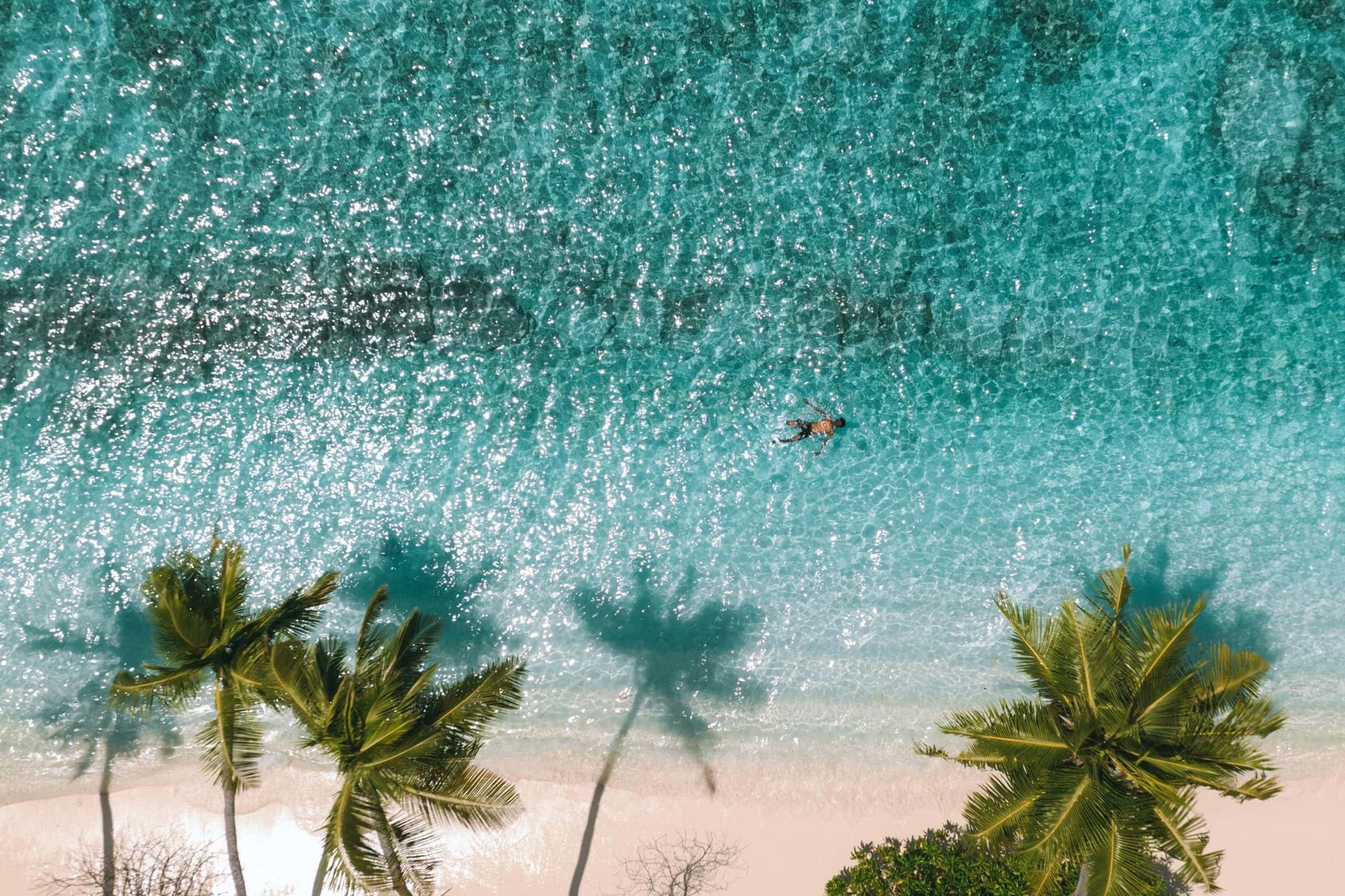
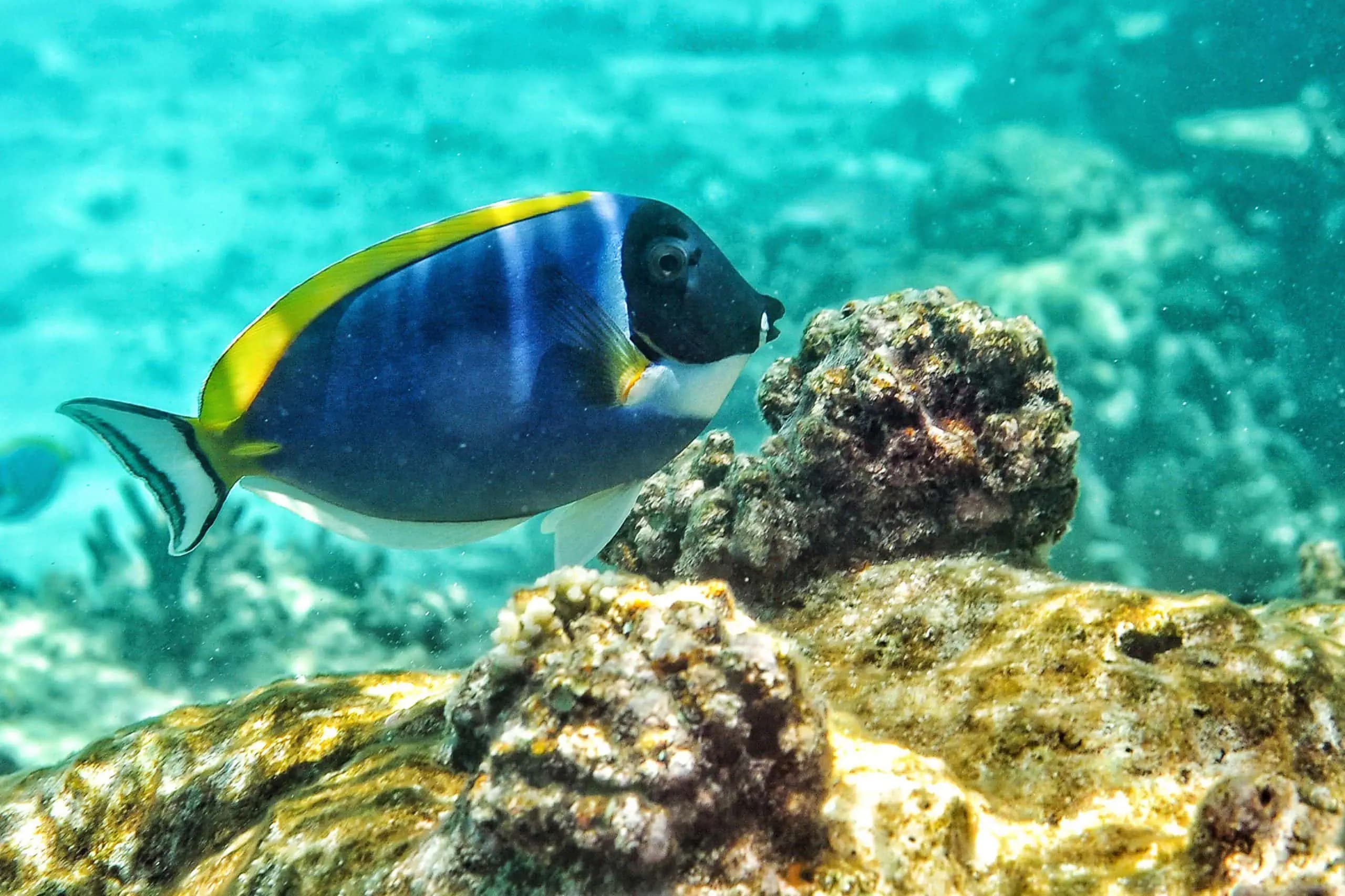
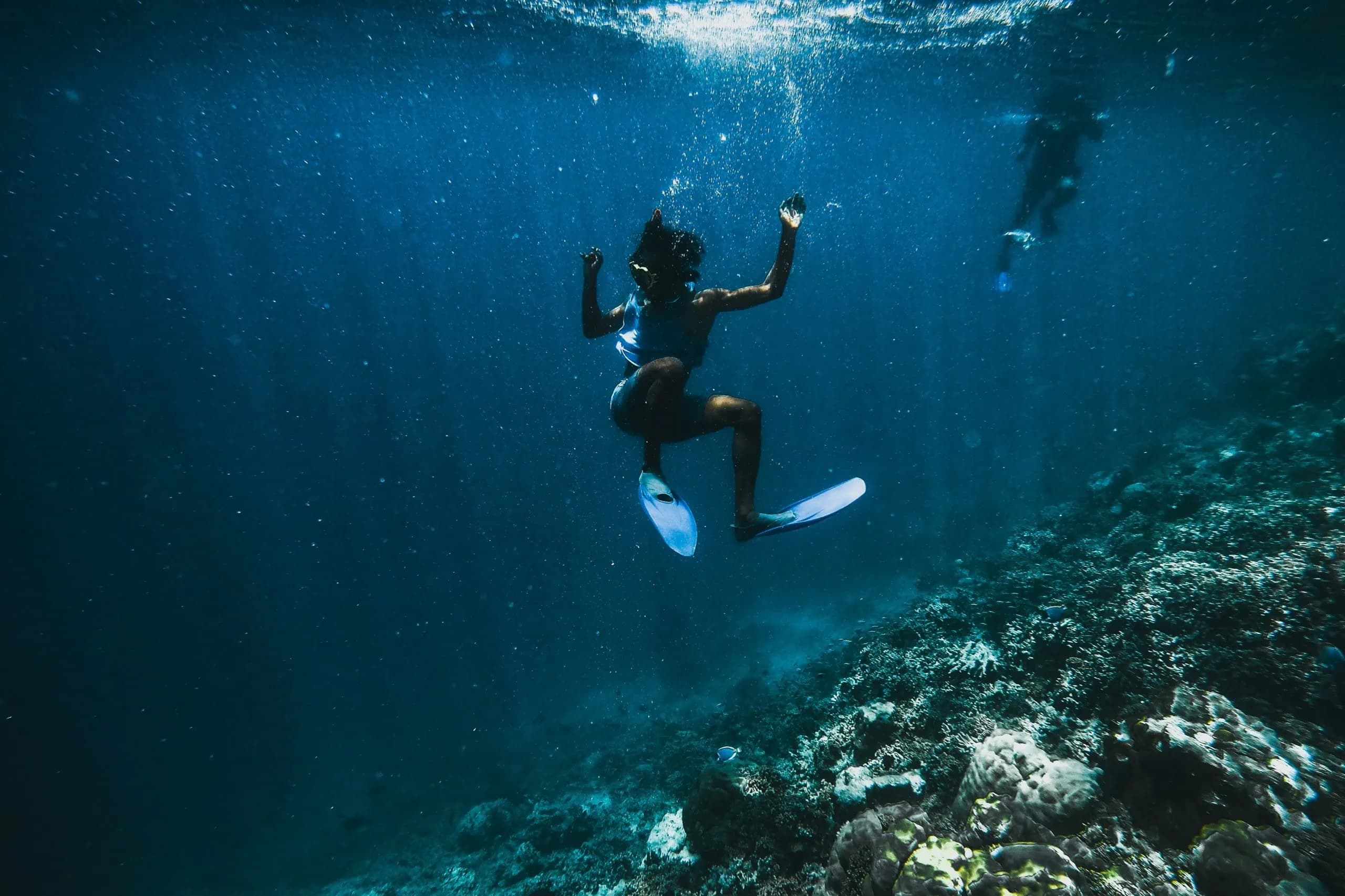
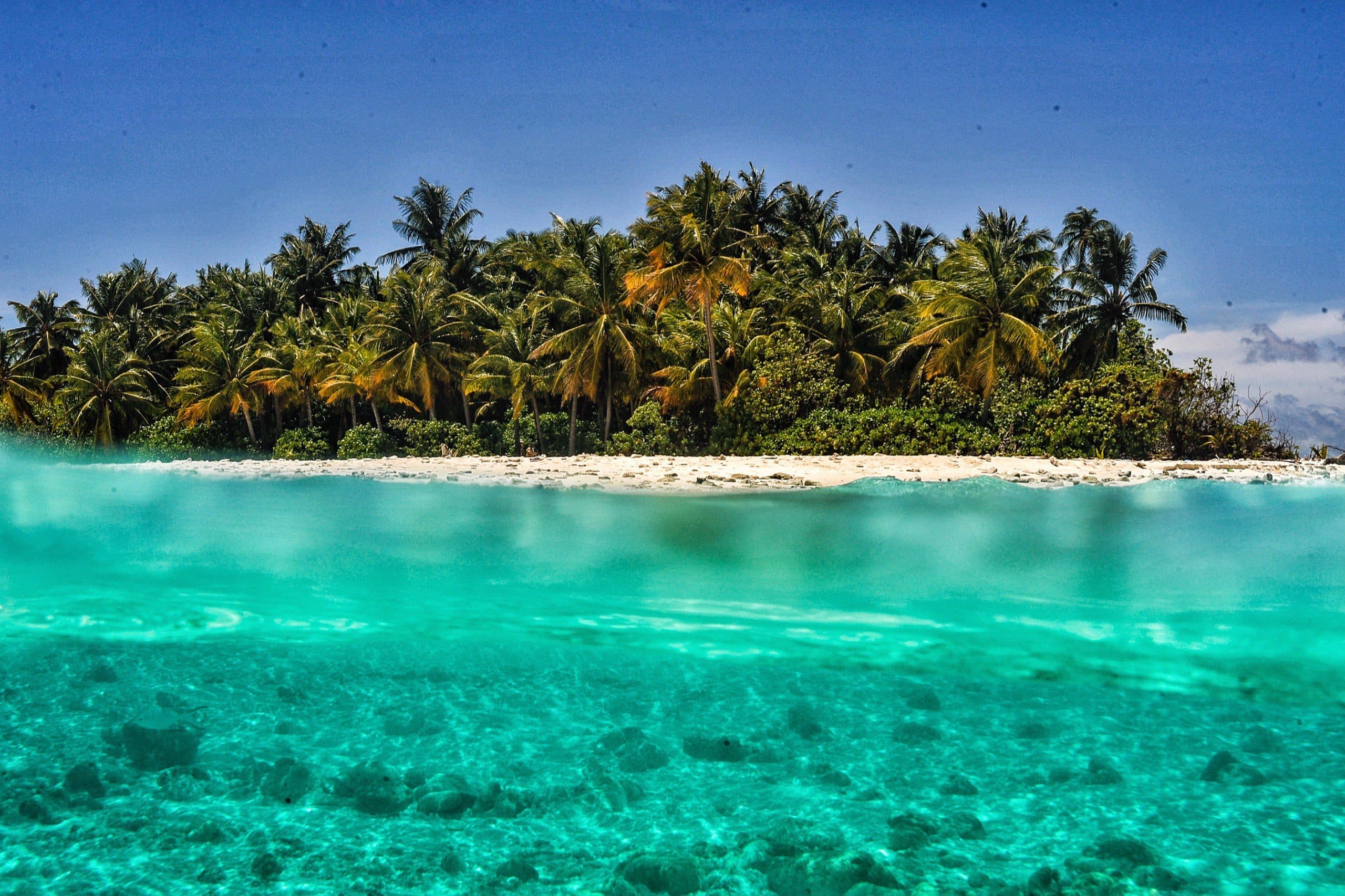
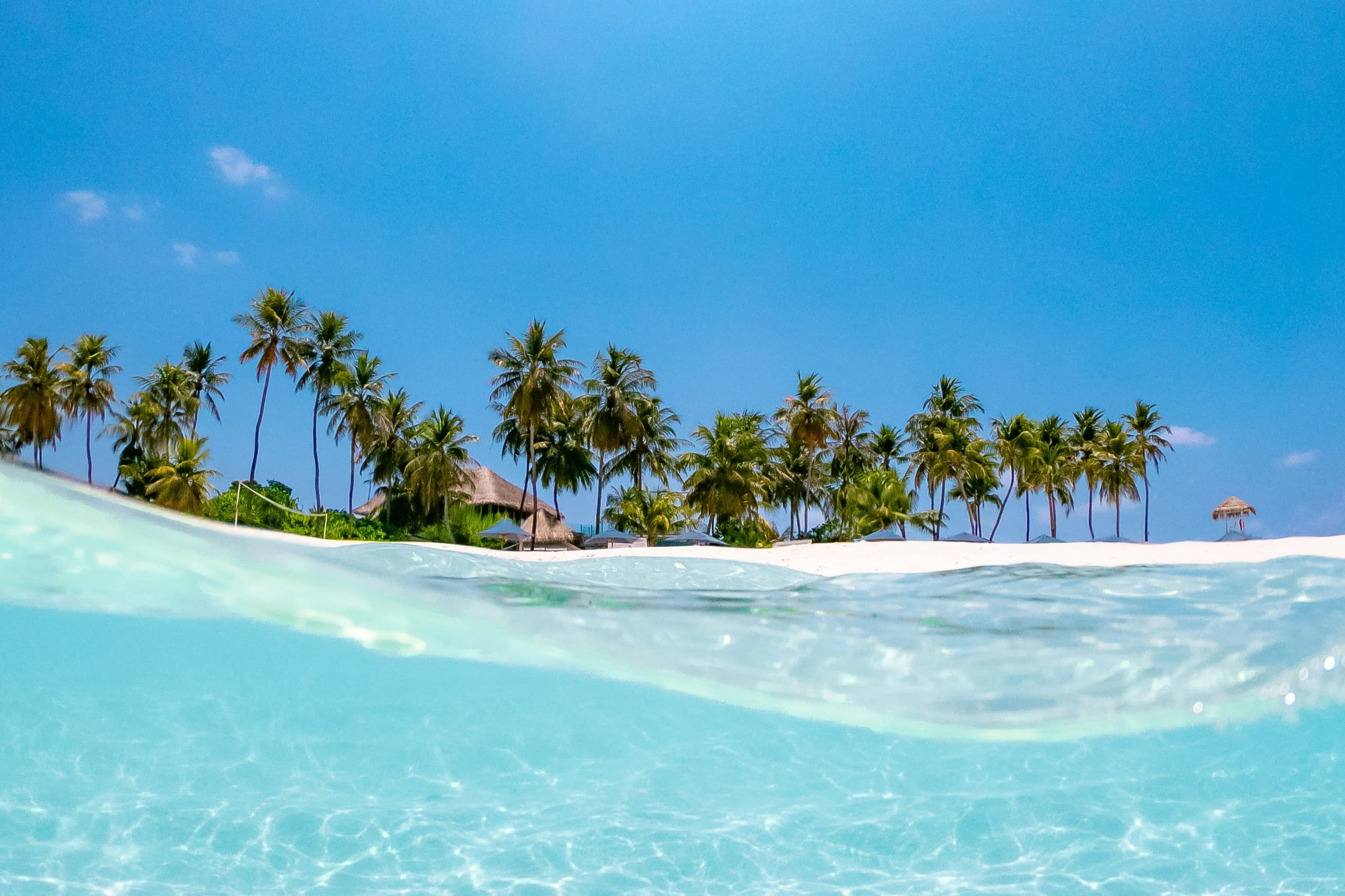
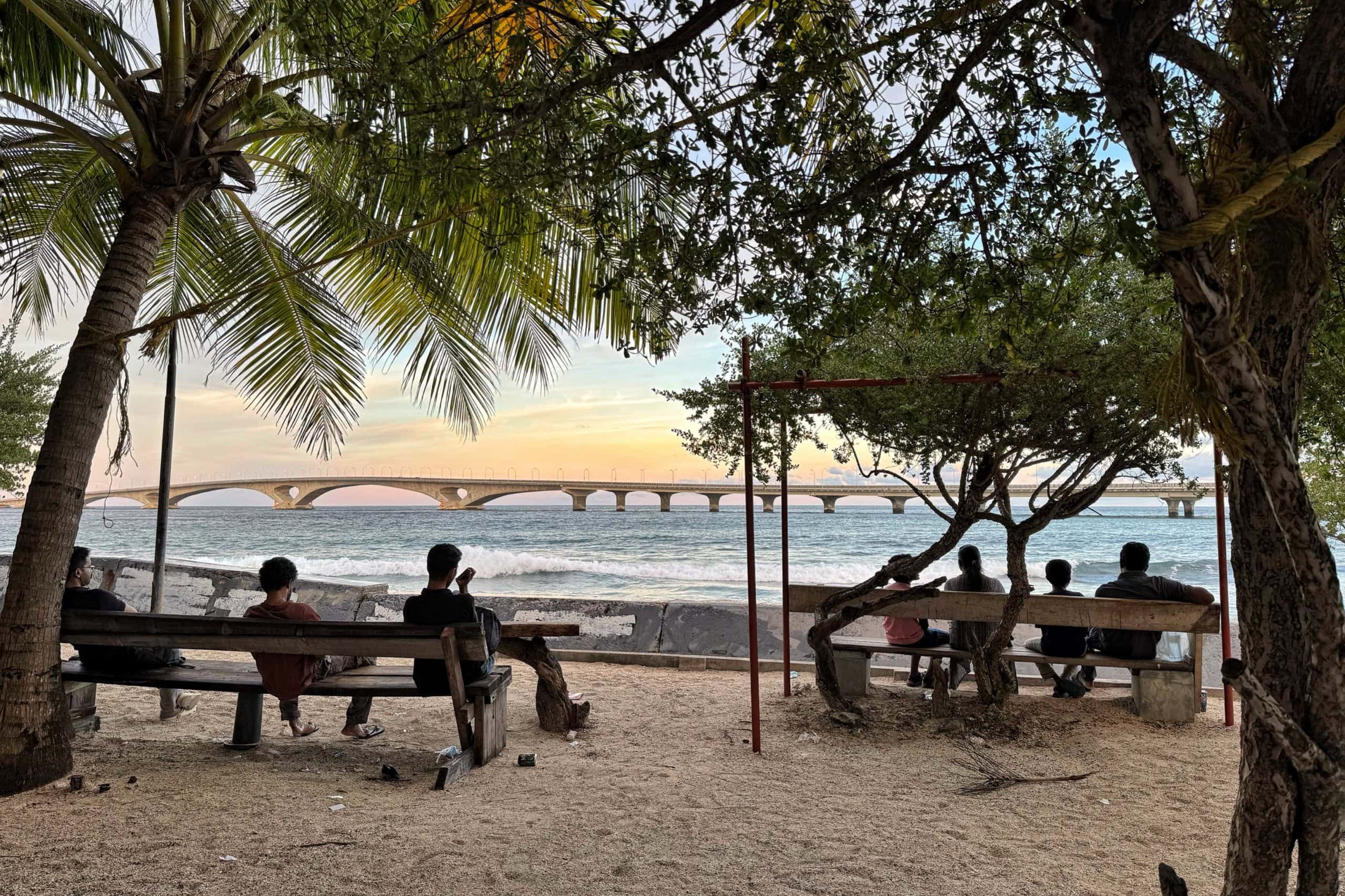
Famous for its pristine white-sand beaches and crystal-clear turquoise waters, the Maldives is the ultimate destination for both relaxation and adventure. Beneath the waves, an extraordinary underwater world awaits—brimming with vibrant coral reefs and diverse marine life, making it a dream for snorkelers and divers alike.
THE SPIRIT
While luxury resorts offer world-class comfort, many islands remain untouched, preserving their raw, natural beauty. Here, where history, nature, and warm hospitality come together, every moment is a celebration of life, adventure, and the pure magic of the Indian Ocean.
Insider Knowledge
The Captain's Dossier
The definitive pre-departure smart brief for Maavahi guests. Everything your travel agent won't tell you — and your body needs to know.
1. The Water Reality: Hydration & Mineral Awareness
Every bottle of water in the Maldives is produced via Reverse Osmosis — stripping 92–99% of essential minerals including calcium and magnesium. Under the equatorial sun, this matters acutely.
- Active surfers and divers sweat aggressively — the sea breeze masks it entirely
- Dehydration won't register clearly until you're already compromised
- Symptoms include muscle cramping, cognitive slowness, and compounding fatigue
- For divers doing 3–4 dives per day, hydration is directly linked to nitrogen management
Captain's Prescription
- → Pack electrolyte sachets (LMNT, Precision Hydration, Liquid I.V.) — one each morning and after every active session
- → Aim for 500ml of water per 45 minutes of in-water activity
- → Consider a nightly magnesium supplement (glycinate form) for recovery and sleep quality
2. Customs & Prohibited Items: The Reality at Velana Airport
Your passport must be valid for at least 6 months from your date of departure. Entry to the Maldives requires completing the Traveller Declaration via the official IMUGA portal — free of charge, within 96 hours of arrival. A tourist visa is issued on arrival at no cost for most nationalities, valid for 30 days and extendable to 90.
Bags are subject to random scanning on arrival.
The Maldives is an Islamic Republic. The country welcomes millions of international visitors each year and customs officers are generally pragmatic toward tourists — but certain items can create friction at entry and are best left at home:
- Alcohol — any alcohol purchased at duty-free is confiscated on entry. It is not held, it is gone. Once on board Maavahi, a fully licensed liveaboard, alcohol is freely available. Trust the boat.
- Pork products — including cured meats and certain gelatin-based supplements. Check ingredient labels on packaged nutrition products before packing.
- Non-Islamic religious objects — items that could be interpreted as objects of worship in quantities beyond personal use may attract attention. A personal Bible or rosary travels without issue; a collection of religious figurines or icons is a different conversation.
Regulatory Restrictions
- Spearfishing equipment — spearguns and pole spears are strictly prohibited and will be confiscated. Leave them home.
- Drones — may be subject to permit requirements. See note below.
Drones: Nuanced Reality
In practice, compact consumer drones pass through customs without issues in the vast majority of cases, and flying over open water and uninhabited reefs rarely attracts attention. If you want to be completely covered — particularly for flights near populated areas, resorts, or airports — a formal permit requires two approvals: first from MNDF, then from CAA. Both can be requested in advance via the OneGov portal. Allow at least 4 weeks. If drone photography is central to your trip, contact us at booking and we'll advise based on your specific route.
3. The Equatorial Sun & The Barefoot Luxury Wardrobe
The UV Index here regularly reaches 10–12 (Extreme). The shallow turquoise water reflects UV from below, effectively doubling your exposure during water sessions.
- Reef-safe zinc oxide sunscreen (SPF 50+, mineral formula only) — chemical sunscreens are actively harmful to coral
- UPF 50+ rashguards — mandatory for every in-water session
- Polarized, floating sunglasses — critical for reef navigation and reflected UV protection
- Zinc stick for face, nose, and lips at all times
- Begin deliberate sun acclimatization 2–3 weeks before departure if arriving from overcast climates
Local Island Visits
- → Cover shoulders and knees — both men and women. Pack a lightweight sarong or linen cover-up
- → No alcohol on local islands under any circumstances
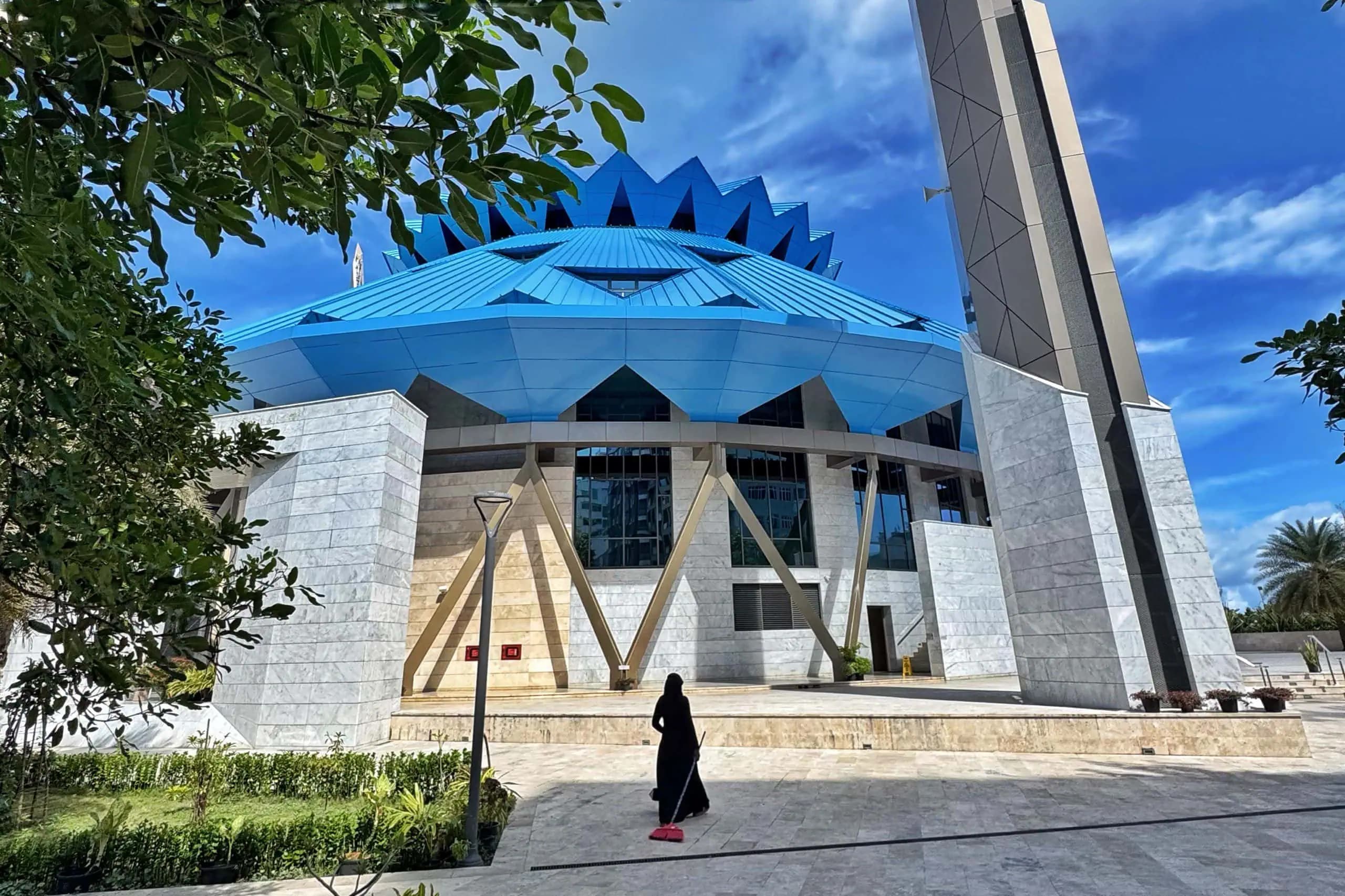
- → No public displays of affection. Photography requires silent consent near mosques
- → Avoid Friday midday — sacred prayer time. Plan visits for Thursday evenings or Saturday mornings
4. Medical Facilities & Emergency Evacuation
The Maldives is far better served medically than most guests expect. A three-tier healthcare system extends across the archipelago.
- Tertiary care in Malé: Tree Top Hospital and ADK Hospital — internationally accredited, English-speaking staff
- Regional atoll hospitals on key populated atolls handle a wide range of medical situations
- Over 180 island health centers across the archipelago — effective for reef cuts, infections, dehydration, and initial stabilization
Medevac & Hyperbaric Reality
- → Seaplanes do not operate after ~4:00 PM — evening emergencies requiring transfer must wait until dawn
- → Speedboats operate overnight but can take 8–24+ hours from remote southern atolls
- → Hyperbaric chambers exist (Kuredu in Lhaviyani Atoll, Malé) but require transfer time from remote locations
- → Maavahi carries a comprehensive first-aid kit and emergency oxygen. Crew is trained in dive emergency management
5. Travel & Dive Insurance: The Complete Framework
In the Indian Ocean, insurance is operational infrastructure. Standard travel policies frequently exclude scuba diving and may not cover liveaboard vessels. Read the exclusions carefully.
Minimum Requirements
- Emergency medical expenses: $500,000 USD
- Medical evacuation & repatriation: $500,000 USD
- Adventure activities must be explicitly named: scuba diving, surfing, liveaboard travel
- Liveaboard/cruise travel must be explicitly stated — often excluded from standard policies
Captain's Recommendation by Profile
- → Diver (multi-trip): DAN Annual Membership + World Nomads Travel
- → Diver (single trip): DAN Short-Term or DiveAssure Dive & Travel PLUS
- → Surfer / Leisure: World Nomads Explorer Plan (verify surfing and liveaboard inclusions)
- → Mixed (surf + dive): DiveAssure Dive & Travel PLUS or DAN + World Nomads combination
Maavahi requires all divers to carry valid dive accident insurance covering hyperbaric chamber treatment before boarding.
6. Country Safety & Security
The Maldives consistently ranks among the lowest-risk destinations globally for tourist-directed crime. Violent crime against tourists is extremely rare.
- In Malé, keep valuables secured and be aware in crowded market areas near the fish market and harbor
- Gear left in tenders or on the boat's exterior is an occasional low-level risk — Maavahi's crew manages this as standard practice
- Religious and cultural sensitivity is the primary consideration — not crime. Disrespecting local customs on inhabited islands is the most common source of friction with local communities
- Tourism infrastructure has remained consistently unaffected by any political instability — the Maldivian government strongly protects the tourism sector
7. Connectivity: eSIM vs. Physical SIM in the Atolls
Two operators cover the Maldives: Dhiraagu and Ooredoo. Both maintain dedicated desks at Velana Airport arrivals — SIM cards and data packages available on the spot ($40–100 USD depending on plan). Plans are also sold at small markets and kiosks across all inhabited islands; both operators offer eSIM activation directly on their websites for compatible devices.
- Physical Tourist SIM at Velana Airport — Dhiraagu and Ooredoo counters in the arrivals hall. Quick setup, immediate coverage. Plans: $40 (20GB, 30 days), $50 (50GB, 30 days), $100 (125GB, 30 days + portable MiFi router — note: the router is locked to the Maldivian operator and cannot be used outside the country). Official sites: Dhiraagu Tourist SIM and Ooredoo Tourist Plan.
- eSIM before departure — both operators support tourist eSIMs via their websites. International platforms carrying Maldives packages include Airalo, Holafly, Nomad, Saily, and Maya Mobile. Ideal for dual-SIM or eSIM-only devices — activate before boarding, arrive connected
Signal in remote uninhabited atoll anchorages can be intermittent or absent on both operators. For those who want to adventure and stay connected — Maavahi is equipped with Starlink, making it the ideal base for slowmads and remote workers who refuse to choose between the office and the ocean. The outer atolls are among the last places on Earth where a sunrise over flat water is more compelling than a notification. Embrace the disconnection deliberately — or stay online. The choice is yours.
8. Currency & Tipping Culture on Liveaboards
USD is universally accepted and actively preferred across the entire tourism ecosystem. Bring clean, unmarked USD in mixed denominations ($1, $5, $10, $20) for tipping and local purchases. Euro is also widely accepted — but be aware that many vendors exchange EUR and USD at a 1:1 rate, ignoring the current exchange difference. If paying in euros, clarify the rate before transacting.
Tipping Framework — 7-Night Expedition
- → General crew (pooled): $15–25 USD per guest per day — envelope to the Captain at trip end
- → Individual recognition (exceptional guide or service): $20–50 USD direct
- → Chef recognition: $20–30 USD at trip's end when cuisine has been exceptional
Tip at the end of the voyage, not daily. A single thoughtful gesture on the last evening carries more weight.
9. The Captain's Ear: What the Forums Are Actually Saying
Four recurring pitfalls from r/scuba, r/surfing, TripAdvisor Maldives forums, and luxury travel communities — with the Maavahi solution for each.
Pitfall #1: Hard suitcases on a liveaboard
Rigid hard-shell suitcases create genuine cabin chaos. On a vessel designed for soft-bag stowage — under bunks, in narrow lockers, in bow compartments — a 28" hard case generates real friction.
→ Pack exclusively in soft-sided duffels of 40–60L. Many experienced liveaboard travelers use a single 55L soft duffel as their entire wardrobe — the Maldives dress code simply doesn't require more.
Pitfall #2: Overnight crossings & seasickness
Guests are repeatedly blindsided by beam-sea conditions on overnight inter-atoll crossings. Most take medication only after symptoms begin — pharmacologically too late.
→ Cinnarizine (Stugeron) is the gold standard for offshore sailors. Take it the night before a long crossing, not after nausea starts. Inform our team at booking if you're prone to motion sickness — we position sensitive guests in the most stable midship berths.
Pitfall #3: Late seaplane and lost dive days
Guests arriving on late-afternoon flights attempt a same-day seaplane connection — and miss the 4:00 PM cutoff. Result: an unplanned night in Malé and a full dive or surf day lost.
→ If your international flight arrives after approximately 2:00 PM local time, plan an overnight in Malé as a standard itinerary feature. Maavahi's concierge team builds this buffer into arrival logistics for all guests.
Pitfall #4: Underestimating reef cuts
Guests treat reef cuts with standard antiseptic wipes, re-enter the water, and find themselves with significantly infected wounds by Day 3. Warm water (27–30°C) and aggressive tropical bacteria make coral cuts categorically different from land wounds.
→ Pack a personal reef cut kit — not a standard first-aid kit:
- · Povidone-iodine (Betadine) or hydrogen peroxide for initial aggressive irrigation
- · Antibiotic ointment (Fucidin or Neosporin)
- · Non-stick sterile dressings + waterproof wound seal
- · Oral antibiotics — consult your physician pre-departure for a precautionary prescription