
DIVE INTO THE BLUE
Pristine reefs. Endless wonders.
Liveaboard Diving
The Underwater Maldives, On Your Terms
Few places on earth reward a diver the way the Maldives does. Not because of a single iconic site or a guaranteed encounter — but because of the sheer scale and variety of what lies beneath 26 atolls of coral, channel, and open ocean. Kandus that funnel pelagic life in concentrations that have to be seen to be believed. Thilas draped in soft coral that have never been crowded. Southern atolls where the ocean drops away into blue nothing and the sharks come up to meet you.
Maavahi is a liveaboard built for freedom of movement — the kind that lets you be at the right Kandu at the right tidal window, across atolls chosen around your priorities, not a fixed package. We work with dive professionals who have spent years, in some cases decades, learning specific reefs and channels across the archipelago. The diving we organise is built around your group, your timing, and what you most want to find underwater.
If you want to go deep into the Maldives — literally and geographically — we should talk.
Talking Diving
Diving the Maldives with Maavahi
1. Three Structures, One Ocean
Beneath the surface, the Maldives is defined by three formations that produce three completely different diving experiences — and understanding them is the difference between booking a dive trip and planning an expedition.
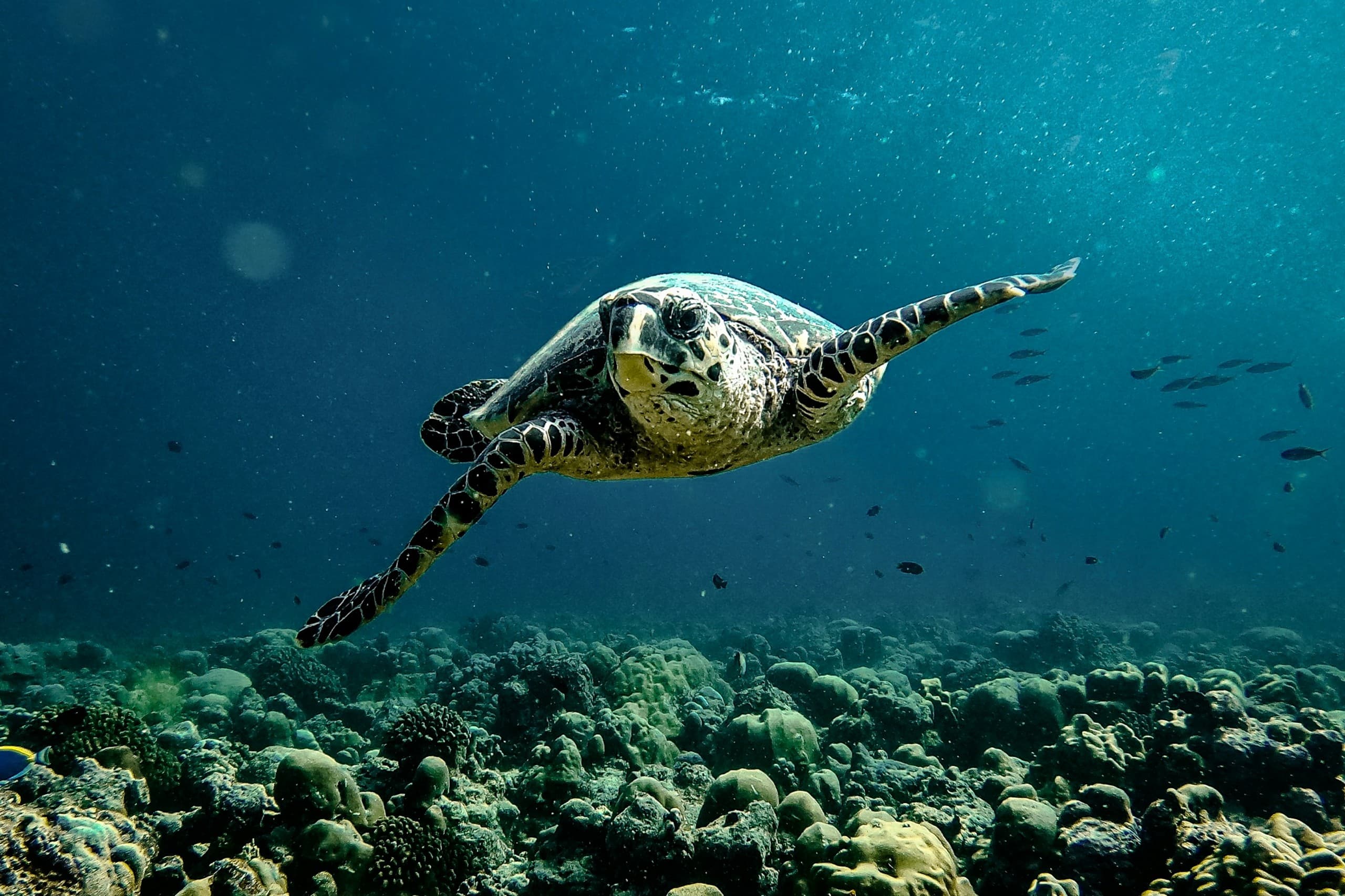
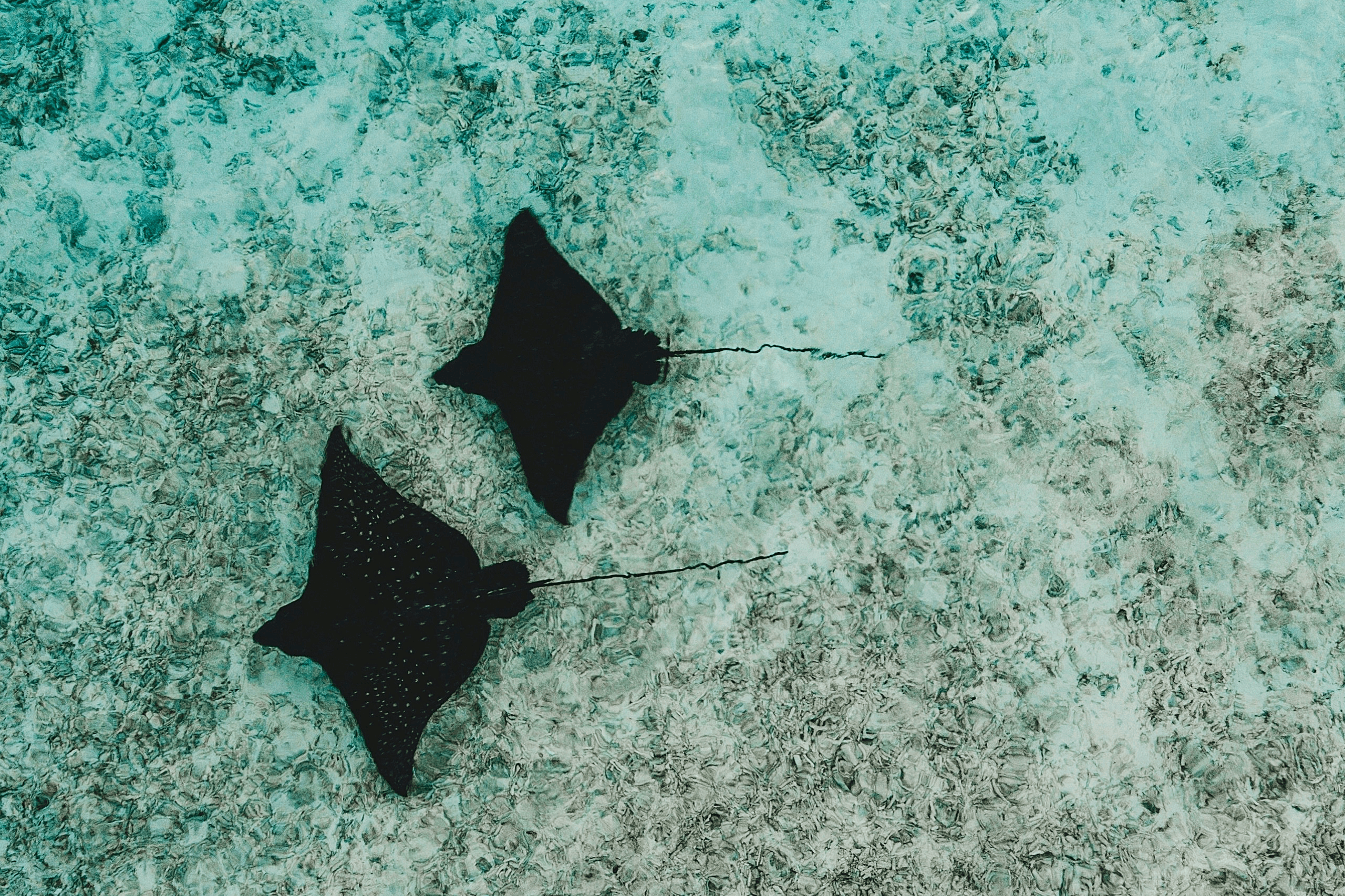
Three structures define Maldivian diving. Thilas are submerged pinnacles circumnavigated in a single dive — draped in soft corals and sea fans, with the highest fish density at the current-facing point. Giris are shallower coral patches near the surface, minimal current, ideal for relaxed reef diving, macro photography, and night dives. Kandus are the channels connecting open ocean to inner atoll — and they are the crown jewel. Tidal flow through a Kandu creates a natural highway for pelagic life: grey reef sharks, eagle rays, barracuda, Napoleon wrasse, and hunting tuna converging at the channel mouth. Arriving at a Kandu at the right tidal stage, on a boat that planned the approach from the night before, is one of those dives you don't forget.
Deep Water Notes
The Maldives dive community is small, experienced, and well-connected. Conditions, currents, and site quality shift seasonally and sometimes daily. The most valuable resource on any expedition here isn't the equipment — it's the local knowledge of who has been in the water that morning. That's the network we tap into.
2. Seasons, Species & When to Go
There is no bad time to dive the Maldives. There are only different Maldives depending on when you arrive.
The Northeast Monsoon (December–April) brings calm seas, minimal rain, and visibility peaking at 35–40 metres in February and March. Cleaning station encounters with manta rays are consistent year-round at sites across Vaavu, Raa, and Addu Atolls. This is the season for underwater photographers and divers who want to see the reef in its clearest light.
The Southwest Monsoon (May–November) brings stronger currents, nutrient-rich water, and the big pelagic encounters. Whale sharks (Rhincodon typus) are present year-round at South Ari Atoll's Marine Protected Area, with peak density from May to December when plankton concentrations are highest. The mass manta aggregations at Hanifaru Bay in Baa Atoll — a UNESCO Biosphere Reserve — peak between June and November, with oceanic manta rays (Mobula birostris) feeding in cyclone formation that ranks among the most extraordinary wildlife spectacles on the planet. Fuvahmulah, the single-island atoll in the deep south, has earned a serious reputation among experienced divers for tiger sharks (Galeocerdo cuvier) and hammerheads (Sphyrna lewini) — a different category of diving, for a different category of diver.
Water temperature holds between 26–30°C year-round, dropping toward 24°C in the far southern atolls during the northeast monsoon.
Atoll by Atoll
South Ari for whale sharks. Baa and Hanifaru for manta aggregations. Vaavu and Raa for channel diving and cleaning stations. Fuvahmulah for serious pelagics. Addu for WWII wrecks and year-round diversity. The routing depends on your priorities and your timing — tell us both when you enquire.
3. How We Organise Your Dive Expedition
Maavahi brings range, flexibility, and a network of dive professionals who have been working these waters for decades. We organise diving through two models depending on the group's focus and itinerary.
The first is a safari route with local dive centres — established operators based near the key sites along the route, with their own equipment, compressors, and dive masters who know their specific reef with the kind of familiarity that only years of daily dives produce. Full briefing, professional guide in the water, transfer to the site handled. This model works well for mixed groups where diving is one element alongside surfing, fishing, or open-ended exploration.
The second is a dedicated dive dhoni travelling with Maavahi — a support vessel with compressor, tanks, and a dive master, moving through the route alongside us. More flexible, access to remote sites that fixed dive centres don't reach, no dependency on operator schedules. For a group whose itinerary is built entirely around underwater priorities, this is the model that makes sense.
Which option fits your trip depends on your group, your dates, and what you want to get out of the water. We'll work through it with you in the inquiry — no fixed packages, no pressure toward either direction.
Worth Knowing
The dive operators in our network are not recommendations — they are relationships built over years of shared time on and under the water in the same atolls. We know who is good, which sites they know best, and when to book them. That network is part of what you're accessing when you sail with Maavahi.
4. Gear & Certification
A 3mm full wetsuit covers most conditions in the Maldives. Divers who run cold, plan 3–4 dives per day, or are heading to the southern atolls during the northeast monsoon should consider a 5mm. Night dives drop the perceived temperature significantly regardless of season.
For personal kit: BCD and regulator in personal fit matters on multi-day expeditions — rental gear is available through our partner dive centres but your own equipment is always preferable. A dive computer is not optional — multi-level diving across different sites requires precise tracking. An SMB is non-negotiable for drift dives and remote channel sites.
Advanced Open Water certification is the practical minimum for the Maldives' most rewarding diving — the signature Kandu dives and deeper Thila sites frequently sit between 25 and 30 metres, outside Open Water limits. For certification info: PADI →. Nitrox certification is worth having — on a 3–4 dive day, enriched air extends no-decompression limits and reduces accumulated fatigue in a meaningful way.
Dive Master Tip
Get your gear serviced before you leave home. A regulator that hasn't been looked at in two years is a liability at 30 metres in a Kandu current. Same goes for your dive computer battery. The remote atolls are spectacular precisely because they're remote — which also means the nearest service centre is a long way from the channel you're about to drift through. One more thing: in a strong Kandu current at night, pulling you toward open black water, a reef hook is the difference between hovering effortlessly and holding on for dear life. Ask your dive master about it before you get in.
5. The Liveaboard Advantage for Divers
The fundamental constraint of resort diving is the schedule. Departure times built around mealtimes, not tidal windows. The best Kandu dives happen at specific moments — often at first light, sometimes at slack water mid-morning. A resort dive boat leaves when the briefing room is ready. A liveaboard leaves when the tide says go.
On a Maavahi expedition, the itinerary is built around the diving. We position overnight and anchor near the site. The dive dhoni is ready at the right tidal window. Remote sites that day-boats never reach — because the crossing is too long, because there's no resort nearby, because nobody has bothered — become part of the programme.
The crowd question matters too. The famous sites attract boats — that's the consequence of being famous. A mobile liveaboard can time those sites at off-peak moments before the day-boat fleet arrives, or position at secondary sites receiving equivalent conditions with nobody else in the water.
For a group that wants to combine serious diving with the freedom to move across multiple atolls, the liveaboard model changes what's possible. Not because the boat is magical — because it's in the right place before anyone else gets there.
From the Water
The divers who get the most out of a Maavahi expedition come with a clear wish list and an open mind about how we get there. Tell us the three things you most want to see underwater. We'll tell you honestly which route gives you the best realistic shot at all three.
DIVE TRIP PLANNER
TAILOR-MADE DIVE EXPEDITIONS
We don't force you into standard packages. Whether you're an intimate group of friends or a large scuba club, we customize the logistics around you. We charter the perfect dedicated Dive Dhoni based on your group size and itinerary, ensuring you arrive at the Kandu entrances at the exact right tidal stage, before the crowds.
Ready to descend into one of the world's most spectacular underwater arenas? Let us craft your perfect dive expedition.
PLAN YOUR DIVE TRIP